
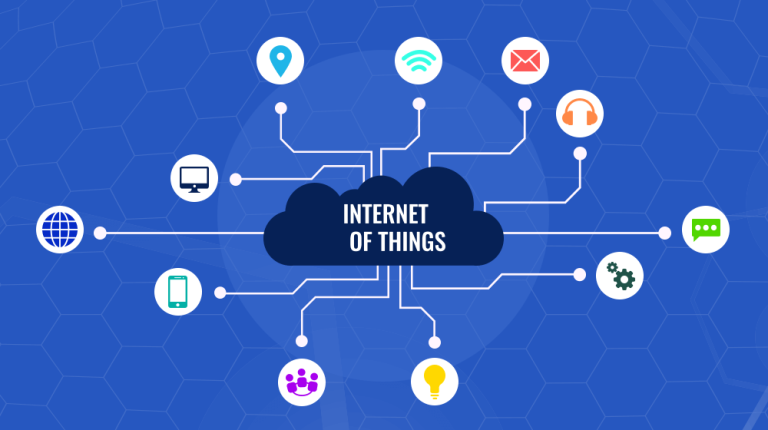
The way we live is changing rapidly, thanks to the Internet of Things (IoT). From controlling lights with your smartphone to using voice commands for home appliances, IoT is transforming traditional houses into smart homes. But what exactly does IoT mean, and how is it shaping our daily lives? Let’s dive in.
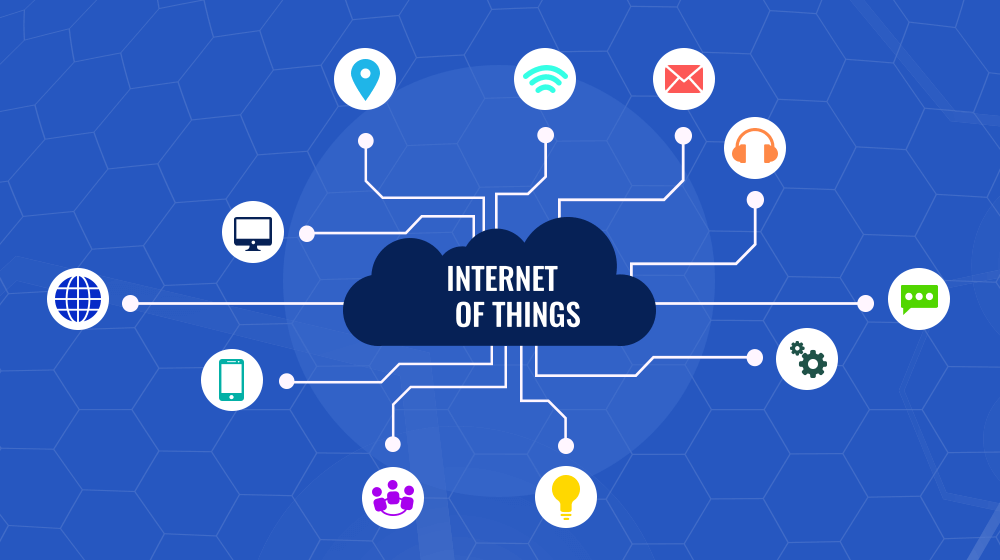
What is Internet of Things (IoT)?
The Internet of Things (IoT) refers to a network of interconnected devices that communicate with each other via the internet. These devices can collect, share, and act on data without human intervention. In smart homes, IoT makes living more convenient, secure, and energy-efficient.
Examples include smart speakers, connected thermostats, security cameras, and even refrigerators that notify you when groceries are running low.
Key Benefits of IoT in Smart Homes
1. Convenience and Automation
One of the biggest advantages of internet of things (IoT) is automation. Imagine controlling lights, fans, or even your coffee machine with a simple tap on your phone or a voice command. Smart assistants like Amazon Alexa and Google Home have made this possible, making daily tasks effortless.
2. Energy Efficiency
IoT-powered devices help you save energy and cut down on bills. For instance, smart thermostats adjust room temperature based on your usage patterns, while smart lighting turns off automatically when no one is in the room.
3. Enhanced Security
Security is a top priority for every homeowner. Internet of things (IoT) enables smart locks, doorbell cameras, and motion sensors that can be monitored in real-time through your smartphone. You can receive instant alerts if any unusual activity is detected.
4. Better Health and Lifestyle
Internet of things (IoT) also contributes to health and wellness. Smart air purifiers monitor indoor air quality, while wearable devices track sleep and fitness, integrating with other smart home systems for a healthier lifestyle.
5. Cost Savings
Although smart devices may require an initial investment, they reduce long-term costs. Automated energy management and predictive maintenance features lower utility bills and prevent expensive repairs.
Examples of IoT in Smart Homes
- Smart Lighting Systems – Lights that adjust brightness automatically.
- Smart Thermostats – Maintain perfect indoor temperature while saving energy.
- Smart Appliances – Refrigerators, ovens, and washing machines that can be controlled remotely.
- Smart Security Systems – Cameras and locks that provide 24/7 surveillance.
- Voice Assistants – Devices like Alexa or Google Nest that act as the brain of your smart home.
Challenges of IoT in Smart Homes
While IoT offers many benefits, it also comes with challenges:
- Privacy Concerns – Devices collect sensitive data that must be protected.
- Cybersecurity Risks – Poorly secured devices can be hacked.
- High Initial Cost – Setting up a fully smart home can be expensive.
The Future of IoT in Smart Homes
The future looks bright. With advancements in AI and 5G, smart homes will become even more efficient, intelligent, and secure. Experts predict that by 2030, most homes will integrate IoT systems as a standard feature, making daily living smarter than ever before.
Final Thoughts
IoT is revolutionizing how we interact with our homes. From making life more convenient to enhancing security and reducing costs, IoT has become the backbone of smart living. While challenges like privacy and security must be addressed, the benefits far outweigh the drawbacks.
If you’re looking to upgrade your lifestyle, investing in IoT devices is the first step toward building your very own smart home of the future. Also check How to Build Your First Website – Comprehensive Guide – 2025
